Workforce Resilience: Beyond the Buzzword.

Why mental fitness is the primary competitive advantage for late-stage startups and established…

Related Insights

Reviewing the influence of positive leadership on worker well-being: A comprehensive analysis

The study provides a review of existing empirical studies on the impact of positive leadership on worker well-being. The aim it to integrate current knowledge and provide directions for future research.

Psycho-social risks and mental health

Time pressure, lack of control over work tasks, long working hours, shift work, lack of support and moral injury are important risk factors for occupational stress, burnout and fatigue among health workers.

The psychosocial working environment: Global developments and pathways for action

This report examines how the psychosocial working environment is shaped by elements of work and interactions at work related to how jobs are designed, how work is organized and managed, and the broader policies, practices and procedures that govern work.


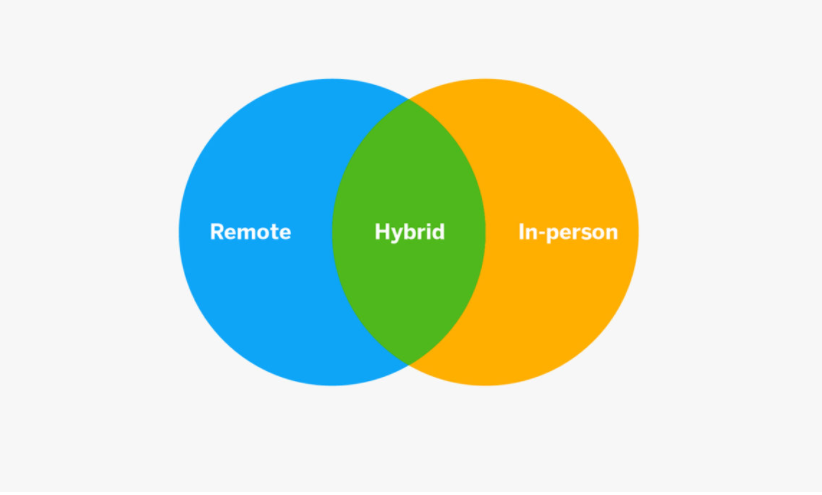
In-Person, Hybrid or Remote? Employers’ Perspectives on the Future of Work Post-Pandemic

Research into how employers are approaching the future of work, including recruitment, retention, innovation and collaboration.

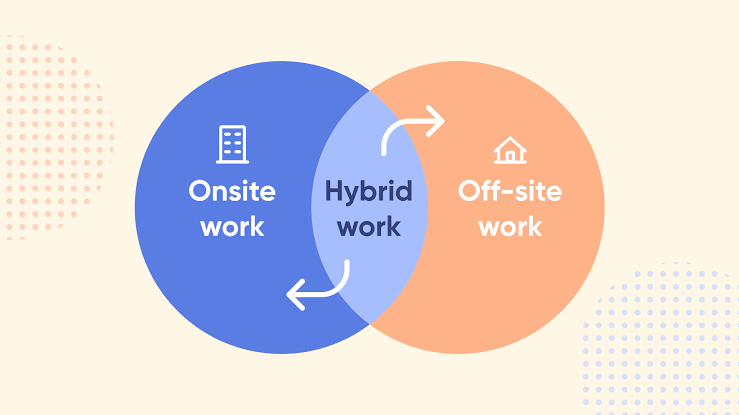
What Is Hybrid Work? Towards Greater Conceptual Clarity of a Common Term and Understanding Its Consequences

Research examining how hybrid work affects collaboration, work practices and organisational outcomes.

Hybrid Working from Home Improves Retention Without Damaging Performance

A large-scale study examining hybrid work, employee retention and performance.

The 2024 State of Cognitive Leadership

New cross-industry findings on how neural processing speed correlates with organizational decision-making…

Hybrid Work: The Final Conclusion.

Aggregated data from 500+ firms reveal the "Golden Ratio" of in-person versus remote collaboration.

Stop guessing. Start measuring

Understand exactly where your workforce is struggling — and what to do about it.